Building Confidence Through Everyday Interaction
Social Skills Development Programs in Charlotte for children who struggle with peer communication and relationship building
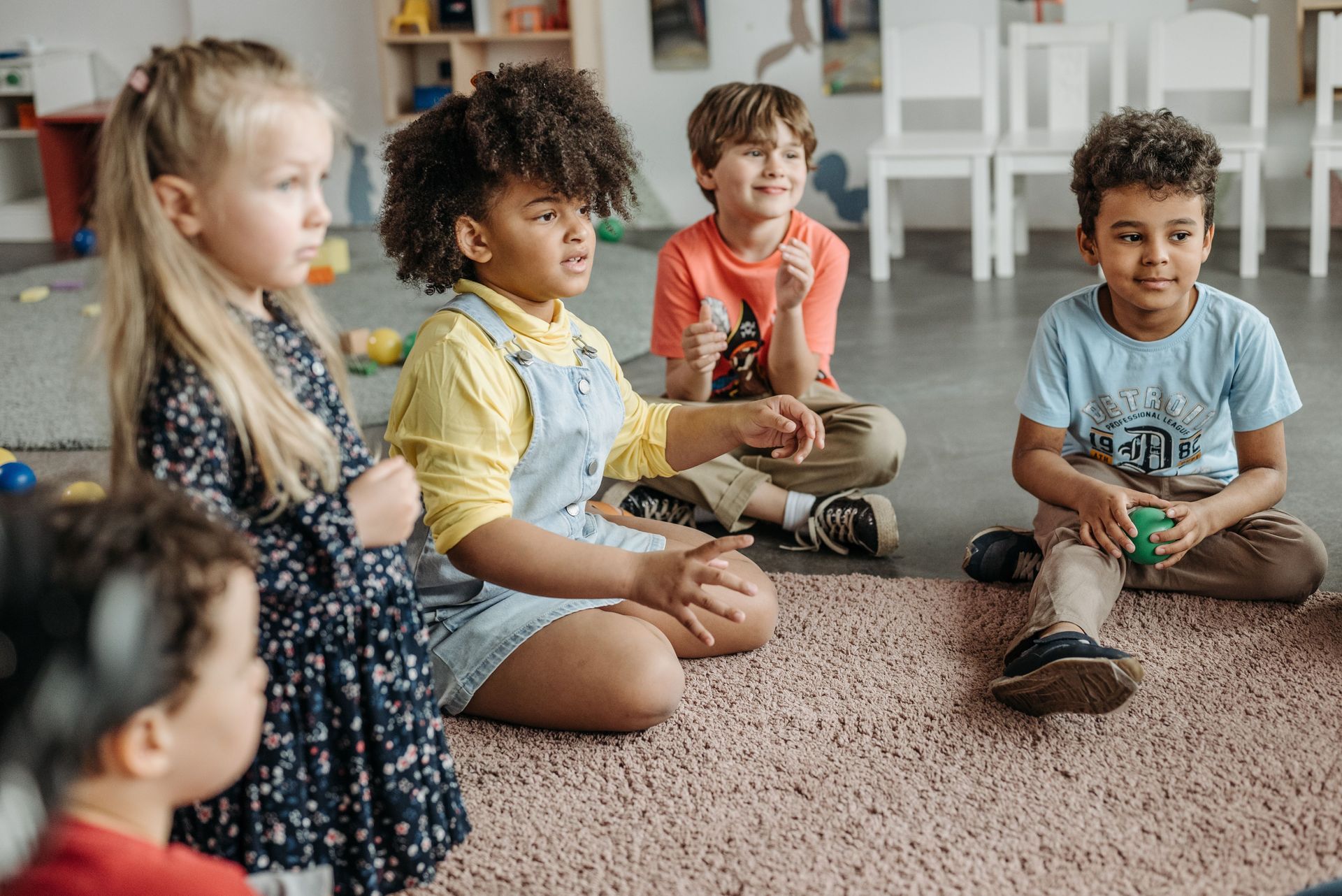


Children who find themselves isolated during group activities or unable to join conversations at school face more than temporary awkwardness—they experience barriers that compound over time.
ASCEND FAMILY CARE SERVICES delivers Social Skills Development Programs designed to teach the specific tools children need to communicate clearly, resolve conflicts without escalation, and recognize emotions in themselves and others. These programs address the gap between knowing what to say and actually navigating real-world social situations with confidence.
The program teaches appropriate social interactions through structured role-play, peer collaboration exercises, and guided community participation opportunities. Children learn how to initiate conversation, interpret body language, respond to disagreement constructively, and maintain friendships outside supervised settings. The focus extends beyond classroom behavior to how children function in sports teams, neighborhood gatherings, and family events.
Schedule an evaluation to identify specific social development areas where your child would benefit from targeted skill-building.
How Children Apply Communication and Teamwork Skills
Sessions involve direct coaching on the mechanics of conversation—how to listen actively, wait for pauses, contribute relevant ideas, and read when someone wants to disengage. Children practice these skills in controlled settings before applying them in group activities where the stakes feel higher. Therapists observe interactions in real time and provide immediate feedback, helping children adjust tone, phrasing, or body language as situations unfold.
You notice changes when your child begins inviting peers to play, resolving playground disputes without adult intervention, or describing their day with detail about what friends said and did. Children who previously avoided group projects start volunteering ideas, and those who struggled with team sports begin coordinating with teammates instead of withdrawing. The difference shows up in how independently your child navigates social environments that once required constant adult guidance.
Programs are adapted based on each child's developmental stage and existing skill level. Some children need foundational work on making eye contact and greeting others appropriately, while others are ready for advanced conflict resolution strategies and understanding nuanced social cues. Progress is tracked through observation logs and caregiver reports, with adjustments made as competencies develop.
What Families Ask About Social Skills Training
Parents often have specific concerns about how skill-building translates to everyday settings and what improvements they can expect to observe.
What does a typical social skills session involve?
Sessions combine direct instruction on specific skills—like how to join a group activity already in progress—with practice opportunities where children apply those skills in supervised peer interactions, followed by guided reflection on what worked and what to adjust next time.
How do children learn conflict resolution strategies that actually work outside of therapy?
Children practice de-escalation techniques using real scenarios they've encountered, such as handling exclusion from games or responding when someone takes their belongings, and therapists help them evaluate which responses kept situations calm versus which made conflicts worse.
When should I expect to see changes in how my child interacts with peers?
Many children demonstrate noticeable improvements in initiating conversation or responding to others within the first month, though more complex skills like understanding sarcasm or managing group dynamics take longer to develop and require consistent reinforcement across home and school environments.
Why do some children struggle with social interactions that seem natural to their peers?
Difficulty interpreting facial expressions, understanding unspoken social rules, or managing the anxiety that comes with uncertainty in group settings can all create barriers, and identifying which specific challenge your child faces allows the program to address root causes rather than just surface behaviors.
What role do families play in supporting social skills development?
Caregivers reinforce skills at home by creating low-pressure opportunities for practice, such as structured playdates or community activities in Charlotte where children can apply what they've learned, and providing feedback that mirrors the coaching language used in therapy sessions.
ASCEND FAMILY CARE SERVICES works with families to create consistent expectations across environments where children interact with others. Contact the team to discuss how social skills training can address the specific challenges your child faces in peer relationships and community settings.